

You finish the film and hit upload, feeling proud. Relieved. A little nervous.
This is the moment, right?
You check YouTube a few hours later.
Then the next day.
12 views.
And if we’re being honest, you recognize most of the names.
That quiet sting? Every filmmaker knows it. You did the work. You told the story. But somehow, the audience never showed up.
Here’s what no one tells you early enough:
Making a strong short film doesn’t mean YouTube knows who to show it to.
The platform doesn’t reward effort. It rewards clarity and signals.
The upside? That means visibility isn’t random. It’s learnable. Once you understand how YouTube actually works, you can position your short film so it has a real chance of being seen.
Why Is Ranking Your Short Film on YouTube Important?
Let’s zoom out for a second.
YouTube is the second-largest search engine in the world (right after Google). Over 500 hours of video are uploaded every single minute.
That means:
- Your short film is competing with everything
- If YouTube doesn’t understand your film, it won’t recommend it
- If people don’t click or watch, YouTube quietly buries it
Ranking matters because it:
- Gets your film in search results
- Pushes it into Suggested Videos
- Puts it on the Home feeds of people who actually care
And yes, this is how filmmakers get:
- Festival programmers are finding their work
- Producers sliding into their inbox
- Channels growing from 0 to 10K+ subs
All from one short film.
How to Rank Your Short Film on YouTube (Step-by-Step)
No theory. No guru talk. Just the stuff that actually moves the needle.
Step 1: Do Smart Keyword Research
Before you worry about titles, thumbnails, or promotion, you need to answer one simple question:
What are people already looking for?
Open YouTube and start typing phrases like:
- emotional short film
- best sci-fi short film
- award-winning drama short
Don’t even hit search.
Just watch what YouTube suggests. Those auto-fill results? That’s real people, real searches.
If you want to go a bit deeper, tools like TubeBuddy or VidIQ help you see what’s competitive and what’s not. You’re looking for a sweet spot: enough interest, not insane competition.
Quick mindset shift that helps a lot:
Ask why someone is searching. Are they trying to feel something? Learn filmmaking? Kill time with a great story? Shape your presentation around that intent.
Step 2: Write a Title That Makes Someone Pause
Your title is the first impression. And on YouTube, first impressions decide everything.
Keep it short enough that it doesn’t get cut off (about 60–70 characters). Put your main idea first, then layer in emotion or curiosity.
Titles that don’t help you:
- My New Short Film
- Untitled Project 2026
Titles that actually invite clicks:
- The Emotional Short Film That Left Me Shaken
- A Mind-Bending Sci-Fi Short Film You Shouldn’t Miss
You’re not tricking anyone. You’re setting expectations.
If your film delivers the feeling your title promises, you’re doing it right.
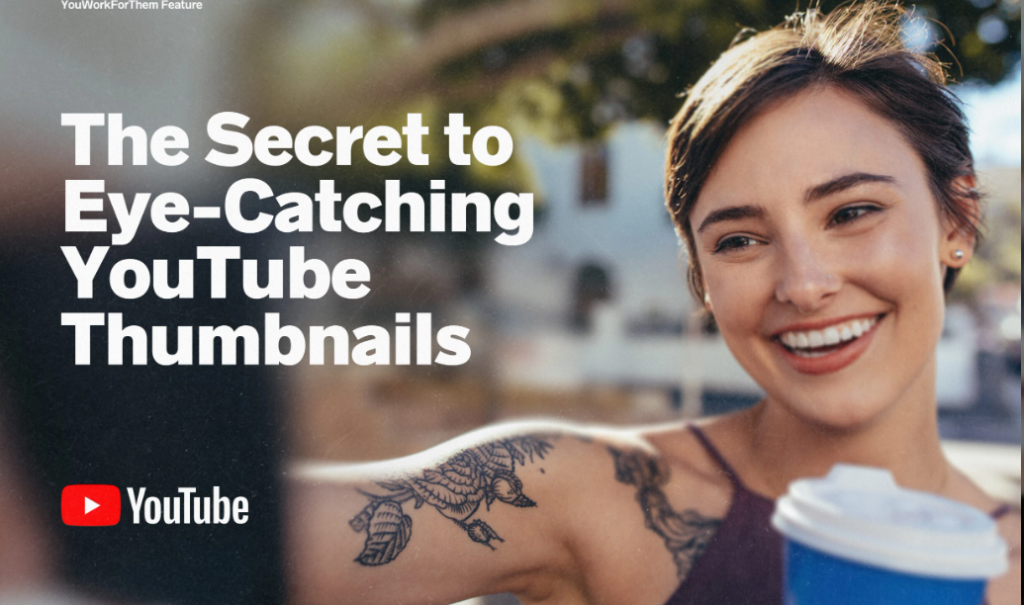
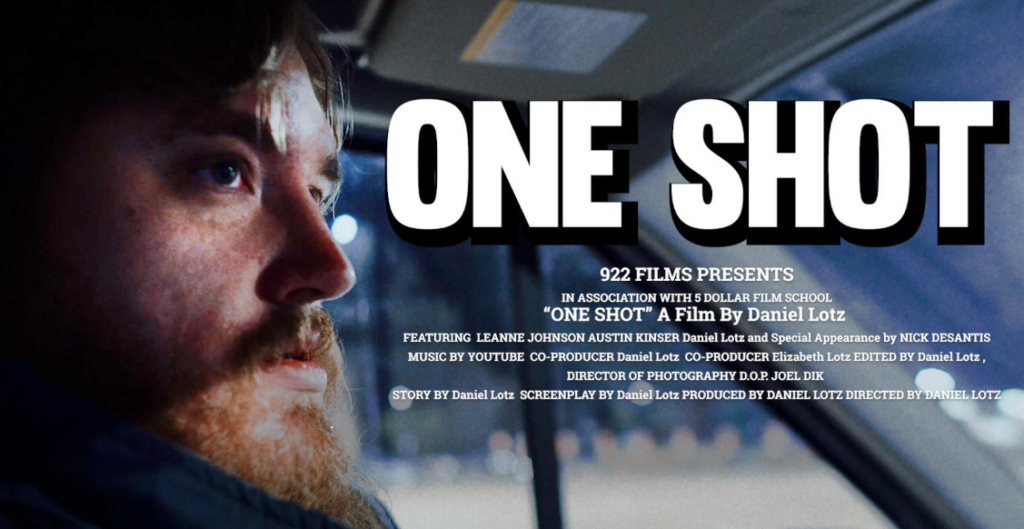
Step 3: Design a Thumbnail People Can’t Ignore
This part is uncomfortable, but true:
Your thumbnail matters almost as much as the film itself.
People scroll fast. You’ve got half a second to win them.
What works:
- Clear faces with emotion
- Strong contrast (light vs dark)
- Very few words, big and readable
Ask yourself: If this weren’t my film, would I click it?
I’ve seen filmmakers change nothing but the thumbnail and jump from hundreds of views to thousands. Same film. Different packaging.
Step 4: Write a Description That Does Some Heavy Lifting
Your description isn’t just filler. It’s how YouTube understands your film.
The first 2–3 lines are critical. That’s what shows before “Show more,” so make it count.
Start with a short hook. Then:
- Briefly explain the story (no spoilers)
- Naturally, include your main keyword
- Add credits, themes, and context
- End with a question to invite comments
If you can, adding captions or a transcript helps both accessibility and SEO. It’s extra work, but it pays off.
Step 5: Use Tags and Captions the Right Way
Tags won’t save a bad video, but they help YouTube categorize your film properly.
Mix:
- Broad tags (short film, indie film)
- Specific ones (emotional drama short film, Kenyan short film)
And don’t skip captions. Upload clean, accurate subtitles. They help viewers and give the algorithm more information to work with.
Step 6: Make Sure the Film Keeps People Watching
This is the part no SEO trick can replace.
If people click and leave, YouTube notices.
Hook your audience early. Cut the slow intro. Drop us straight into tension, emotion, or mystery. The first 15 seconds matter more than you think.
A filmmaker friend once re-edited just the opening minute of his short. Same story, tighter start. His watch time jumped, and YouTube suddenly started recommending it.
That’s not magic. That’s retention.
Step 7: Upload Smart and Use YouTube’s Built-In Tools
Check YouTube Studio and see when your audience is actually online. Upload around that time so you get early engagement.
Then:
- Add end screens
- Use cards
- Put the film in relevant playlists
YouTube wants people to stay on the platform. Help it do that.
Step 8: Promote It Like It Matters (Because It Does)
Uploading and hoping is not a strategy.
Share your film where it makes sense:
- Film subreddits
- Facebook filmmaker groups
- Instagram and TikTok (short clips work great)
- Festival or filmmaking Discords
Even one good share from the right community can flip everything.
Step 9: Talk to Your Audience and Study the Numbers
When people comment, reply. Early engagement signals tell YouTube your film is worth pushing.
Ask questions:
- “Which scene stayed with you?”
- “Did you expect that ending?”
Then open your analytics. Look at:
- Click-through rate
- Audience retention
- Traffic sources
You don’t need to obsess, just learn what’s working and adjust next time.
Step 10: Keep Going and Build Momentum
One short film is great.
A channel full of them is powerful.
Upload consistently. Organize your work into playlists. Let your channel feel like a place people return to for stories that hit.
That’s when YouTube stops treating you like a one-off upload and starts treating you like a creator worth recommending.
Conclusion
At the end of the day, ranking your short film on YouTube isn’t about gaming the system or chasing trends. It’s about giving your work a fair chance in a crowded space.
You already did the hard part; you told the story. Now it’s about making sure that the story actually reaches the people who are looking for it.
Some short films pop off immediately. Others move slowly, then suddenly find their audience months later. Both are valid. What matters is that every upload builds momentum, teaches you something, and sharpens how you think about visibility as a filmmaker.
If you want more practical guides on filmmaking, storytelling, and growing your work online, head over to iwaythrills. That’s where we break things down the same way: real experience, clear steps, and tools you can actually use.