

So, you’ve got this amazing story bouncing around in your head, a camera or heck, even just your phone, in your hands, and a crazy urge to shout “Action!”… but here’s the problem: you have zero idea where to start. No crew, no budget, maybe not even a clue how to turn that brilliant idea into something people can actually watch. Sound familiar?
You’re definitely not alone. Every indie filmmaker has been there, staring at a blank screen, wondering if their dream will stay stuck in their head forever. The struggles are real: tiny budgets, DIY equipment, figuring out how to get people to show up on set… it can all feel overwhelming.
But here’s the good news: you don’t need a studio, a fat paycheck, or a Hollywood permit to tell your story anymore. What you do need is a bit of grit, some smart planning, and a few key strategies that will actually get your project off the ground instead of being buried in “one-day-I’ll-make-this” limbo.
So, how do you go from “I have a story” to “I just made a movie”? That’s exactly what this beginner’s guide is here to show you.
Why Independent Filmmaking Matters
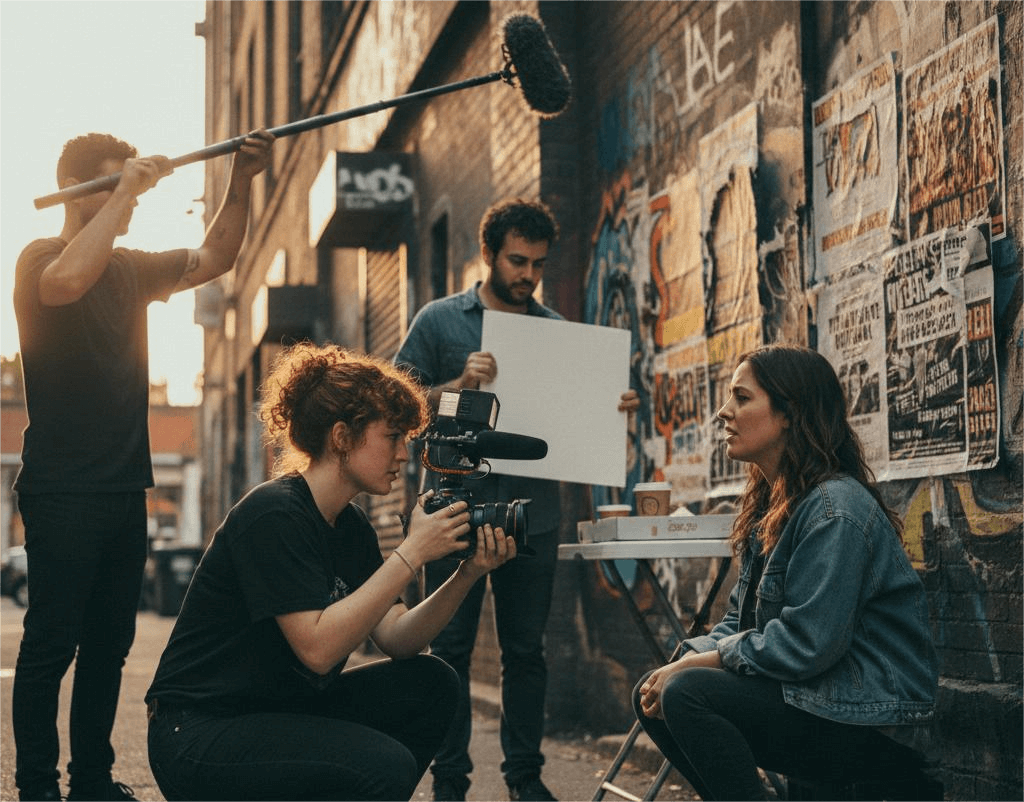
You might be wondering, “Why bother with indie filmmaking when big studios are doing all the heavy lifting?”
Well, independent filmmaking gives you full creative control, a chance to experiment without restrictions, and the opportunity to build your own audience.
It’s also one of the most practical ways to break into the industry. Many of today’s famous directors started small, learning the ropes by making films on shoestring budgets.
Independent filmmaking is more relevant today than ever, thanks to the increased accessibility of streaming platforms, social media, and affordable technology, which have made it easier to get your work seen.
In short, if you’ve got a story to tell, there’s a chance for it to be heard.
Key Independent Filmmaking Tips for Beginners
Alright, let’s get to the good stuff. Here, we’ll look at just practical advice to help you go from “I have an idea” to “I made a film.” We’ll cover the basics step by step, drawing from what works for real indie creators out there.
1. Start Small and Simple—Don’t Overcomplicate Your First Project

If you’re new to this, don’t try to make the next blockbuster. Begin with a short film, maybe 5-10 minutes long.
Why? It lets you learn without burning out or breaking the bank. Grab whatever you have, a phone, a basic camera, and shoot something entirely by yourself at first. Write the script, act in it if needed, and handle the lighting. This hands-on approach teaches you the ropes fast.
One tip I love: Focus on stories you know. Draw from your life or everyday weirdness. It’s easier and more authentic. As one filmmaker put it on Reddit, just go make that short with the resources you have right now, nothing else. You’ll mess up, sure, but that’s how you grow.
2. Nail Down Your Script and Story
Every great film starts with a solid script. As a beginner, keep it straightforward: Who are your characters? What’s the conflict? How does it end? Use free tools like Celtx or Google Docs to write it out. Aim for minimal dialogue, let actions and visuals do the talking. This cuts down on complexity during shooting.
Tip: Read your script aloud. If it sounds clunky, tweak it. And remember, indie films thrive on unique voices, so infuse yours.
Once you’ve got the script, outline your shots in a storyboard; simple sketches work wonders to visualize the flow.
3. Budget Smart—You Don’t Need Big Money
Indie filmmaking is all about no-budget or micro-budget magic.
Figure out what you can afford early. List essentials: camera (your phone counts), microphone for decent sound, free editing software like DaVinci Resolve or iMovie.
A huge advantage? Low budgets force creativity. As noted in indie film lessons, making your movie for the lowest budget possible can be a creative boost.
Scour for free locations, borrow gear from friends, or use natural light instead of fancy setups. Track every penny; apps like Excel or budgeting tools help. Aim for under $1,000 for your first go if possible.
4. Assemble Your Crew (Or Go Solo)
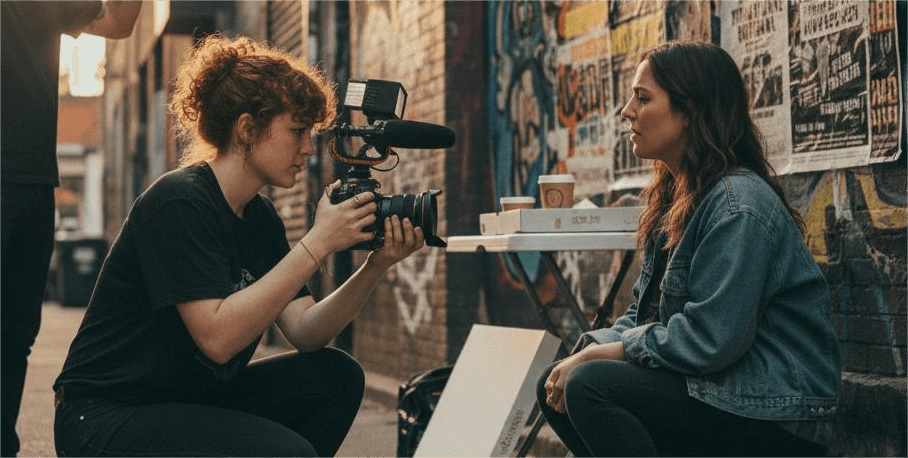
You might think you need a huge team, but nah. For beginners, a small crew of 2-3 passionate folks is ideal, maybe a friend to handle sound or act. Post ads on Facebook groups or Reddit’s r/Filmmakers to find collaborators.
If you’re flying solo, that’s cool too. Handle multiple roles to learn. Just be organized: Create a shooting schedule and stick to it. Always show up early, as one list of tips emphasizes, punctuality keeps things smooth.
5. Gear Up with Basics—Focus on Techniques
Equipment doesn’t have to be pro-level. Start with:
- Camera: Smartphone with apps like FiLMiC Pro for better control.
- Sound: External mic—bad audio kills films faster than anything.
- Lighting: Use windows for natural light or cheap LED panels.
Learn key techniques: Basic camera shots (wide, close-up), simple lighting setups (three-point lighting), and sound recording tips. For example, always monitor audio levels to avoid echoes or noise. Practice these before your big shoot.
6. Shoot Like a Pro—Plan and Be Flexible
When it’s go time, have a plan but roll with punches. Work out your shooting order, group scenes by location to save time. Stretch filming over days if possible, taking breaks to avoid fatigue. Do multiple takes, but don’t overdo it.
Safety first: Get permissions for locations, and if actors are involved, have simple releases. Weather or surprises? Adapt, that’s indie spirit.
7. Edit and Polish—Bring It All Together
Post-production is where magic happens. Import footage into your software, cut the best takes, add music (royalty-free from sites like Epidemic Sound), and tweak colors.
Tip for beginners: Keep it tight. Cut anything that doesn’t serve the story. Get feedback from friends, fresh eyes spot issues. Aim for a polished final cut that feels professional.
8. Distribute and Share Your Work
Done editing? Don’t let it sit on your hard drive. Submit to film festivals like Sundance or local ones. Upload to YouTube, Vimeo, or TikTok for exposure. Network on social media, share behind-the-scenes to build buzz.
Remember, distribution is key to success. Many indies start small but gain traction online.
Conclusion
Independent filmmaking is a journey full of challenges, but every step, from crafting your story to sharing your final cut, brings you closer to turning your ideas into something people can see, feel, and remember. Remember: a strong story, smart planning, and attention to the little details like sound, lighting, and editing can make all the difference.
If you’re ready to take your filmmaking to the next level but need a little expert guidance, iWayThrills is here to help. Our professional scriptwriting services can turn your concept into a polished, production-ready script, saving you time, stress, and guesswork. Don’t let a great story stay stuck in your head; bring it to life with iWayThrills today.
Get started now and see your story hit the screen exactly how you imagined it.
.