

Have you ever written a scene that technically works, good dialogue, clear plot, solid characters, yet when you read it back, you feel… nothing?
The scene feels empty.
This is one of the biggest silent killers in storytelling: a weak or invisible setting.
Readers don’t fall in love with characters alone. They fall in love with the world that pulls them in and refuses to let go.
Think about it:
You don’t just remember T’Challa, you remember Wakanda.
You don’t just remember Harry, you remember Hogwarts.
Nairobi Half Life lingers because of its raw, pulsing streets.
Those worlds feel alive. And when your world feels alive, your story becomes unforgettable.
That’s the true power of setting.
Your location isn’t just a backdrop; it’s a silent character shaping emotion, conflict, tension, and the entire reading experience. Treat it like a living presence with moods and rules, and your story instantly gains depth.
This guide will show you why your setting is your most important character, and how to turn flat scenes into immersive, cinematic storytelling that stays with readers long after the final page.
What Is Story Setting?
Your story setting is the place, time, and environment where your narrative unfolds.
But for modern readers, a great setting goes beyond geography. It’s the emotional, cultural, and sensory world that shapes your characters.
A strong setting includes:
- Physical environment
- Social and cultural atmosphere
- Historical period
- Climate and weather
- Community values and tension
- Sensory experiences
- Unspoken rules of the world
When these elements blend, you get a setting that doesn’t just contain the story; it drives it.
Why Your Story Setting Is Your Most Important Character
1. Setting Shapes, Plot and Conflict
Your characters can’t act outside their environment. Their decisions, fears, hopes, and behaviour are influenced by where they live.
Examples:
- A girl raised in Garissa will face different obstacles from one raised in Karen.
- A detective story set in a quiet coastal town naturally builds slow-burning tension.
- A sci-fi city packed with surveillance can create paranoia-driven conflict.
Setting creates limitations, opportunities, and pressures, the same way a real environment shapes real people.
Ask yourself:
What problems does this setting create for my characters? What problems does it solve?
2. It Establishes Mood and Atmosphere Instantly
If your story feels dull or flat, the problem is often the setting.
Readers want to feel where they are.
Examples:
- A rainy, dimly lit Nairobi estate sets a mood of fear or uncertainty.
- A bright coastal town in Lamu creates a peaceful, nostalgic tone.
- A bustling Lagos street brings chaos, colour, and energy.
Your setting controls the emotional temperature of every scene.
3. Setting Reveals Character Personality and Backstory
Where your characters come from shapes:
- their worldview
- their habits
- their speech patterns
- their emotional triggers
- their dreams and fears
Instead of telling readers your character is disciplined, you can show it through their environment:
“Her room was arranged with military precision, the same way her father always kept his barracks.”
The setting reveals who they are.
4. It Helps Readers Visualise Your Story Clearly
Readers remember what they can picture.
A vivid setting transforms your story from words on a page to a movie in the reader’s mind.
To do this well, include sensory details:
- What does the place smell like?
- What sounds dominate the environment?
- What textures stand out?
- What visual elements define the space?
The more specific you are, the more immersive the story becomes.
5. Setting Creates Symbolism and Deeper Meaning
A powerful setting speaks without dialogue.
Examples:
- A collapsing house can mirror a collapsing marriage.
- A rising storm can foreshadow conflict.
- A clean, sterile hospital can symbolise emotional distance.
When your environment reflects themes, your story feels layered and sophisticated.
6. Setting Builds World Rules (Especially in Fantasy & Sci-Fi)
Every world has rules, spoken or unspoken.
When you create a strong setting, you set:
- What is possible
- What is forbidden
- What is dangerous
- What is sacred
Whether you’re writing magic, dystopia, or future tech, setting defines the logic of that universe.
World-building isn’t optional. It’s the spine of your story.
7. A Memorable Setting Attracts Loyal Readers
Fans don’t just follow characters, they follow worlds.
That’s why people binge franchises:
- Harry Potter → Hogwarts
- Game of Thrones → Westeros
- Black Panther → Wakanda
- Money Heist → The Bank of Spain
Readers return to stories where the setting feels like a place they know.
Craft a strong location, and you build a world readers want to keep exploring
How to Make Your Setting Feel Alive
Bringing a setting to life isn’t about dumping long descriptions or listing scenery like you’re writing a travel guide. It’s about creating a living presence, a world that breathes, reacts, influences, and even argues with your characters.
Here’s how to make your setting feel so real that readers forget they’re reading.
1. Treat Your Setting Like a Character
A great setting has personality. It has moods. It can comfort your characters, challenge them, or even work against them.
Ask yourself:
If my location were a person, who would it be?
Give your world:
- Goals – What does this place want? Growth? Control? Silence?
- Flaws – Is it chaotic? Dangerous? Too quiet? Too judgmental?
- Personality – Warm? Harsh? Mysterious? Loud?
- History – What happened here before the story began?
- Secrets – What is hidden beneath the surface? What don’t outsiders know?
When you write a setting this way, it stops being static.
It gains agency. It becomes a force.
2. Use Specific, Not Generic Details
Generic settings create generic emotions.
Specific settings create memories.
Anyone can say “market,” but your job is to let us smell it, hear it, and feel it.
Instead of:
She walked through the market.
Try:
She wove through Gikomba’s noisy alleys, stepping over heaps of second-hand denim while matatu touts shouted destinations over the hum of restless crowds.
Specific details anchor the story in reality, even if the world is fictional.
Specificity = authenticity.
3. Show Characters Interacting With Their Environment
Readers don’t learn a place by observing it from afar.
They learn it through experience, just like your characters.
Show us how the environment touches them:
- Sweat dripping under the Mombasa heat
- Sharp, cold biting their lungs near Mt. Kenya
- Confusion in the tight, winding paths of a Nairobi estate
- Relief when a breeze passes through a stuffy room
- Annoyance at the dust sticking to their skin during the harmattan
When characters feel the world, the reader does too.
Interaction is what turns a setting into a shared experience.
4. Blend Description With Action
Long descriptive paragraphs feel like a pause button.
Readers want movement, not static museum tours.
Instead of dumping information upfront, weave your details into what the characters are doing.
Weak:
The village had dusty roads and traditional huts.
Stronger:
Dust curled around her ankles as she hurried past the thatched huts, each one glowing gold in the fading evening light.
In the second version, the world isn’t being introduced; it’s being lived in.
5. Use All Five Senses (Not Just Sight)
Most writers stop at visuals, but real life hits us in layers.
Your strongest settings come alive when you activate multiple senses:
- The sound of boda bodas revving at the junction
- The smell of roasted maize drifted across the street
- The feel of humid coastal air is sticky on the skin
- The taste of salty ocean breeze
- The sight of Nairobi’s skyline glowing against a violet sunset
The more sensory your world, the more immersive it becomes.
Make your reader feel like they’re standing right there.
6. Let the Setting Change With the Story
A living world evolves. It reacts to events. It shifts with emotion.
Think about your own life, places feel different depending on what you’re going through.
Your story should mirror that.
Examples:
- A once-peaceful town grows tense after a mysterious disappearance.
- A warm family home becomes suffocating after betrayal.
- A city begins to simmer with fear as political unrest builds.
- A forest that felt magical at first starts to feel threatening as night falls.
When your setting evolves, it mirrors the emotional arc of your characters.
That’s when your world feels truly alive.
Iconic Examples: When the Setting Steals the Show
Some stories are unforgettable not just because of their characters, but because of the worlds those characters inhabit.
These settings don’t just support the narrative; they shape it, push it, and sometimes overpower the human cast entirely.
Here are a few timeless examples that show exactly how powerful a location can be.
a) Literature: The Moors in Wuthering Heights
In Emily Brontë’s Wuthering Heights, the Yorkshire moors feel like a living, breathing storm. Harsh, lonely, and wild, they echo every emotion in the story, from passion to fury to heartbreak.
The characters don’t simply walk across the moors; they’re swallowed by them, shaped by them, haunted by them.
Without those windswept hills and unforgiving storms, Heathcliff and Catherine’s tragic obsession wouldn’t hit nearly as hard. The moors are the mood of the novel.
b) Film: Gotham City in The Dark Knight
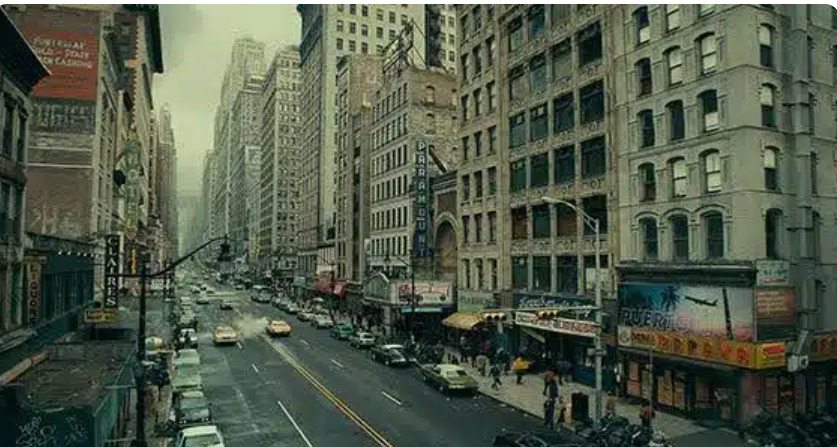
In The Dark Knight, Gotham isn’t just a backdrop; it’s a beast. Corrupt, restless, unpredictable. The city’s claustrophobic alleys and towering shadows mirror Batman’s own inner conflict, making Gotham feel like a character struggling between hope and collapse.
Fans still analyse the city’s design because it reflects the moral chaos at the heart of the film. Gotham doesn’t just host the story; it drives it.
c) Science Fiction & Horror: The Overlook Hotel in The Shining

Few settings are as chilling as the Overlook Hotel. In both Stephen King’s novel and Kubrick’s film, the hotel feels alive, watching, whispering, manipulating.
Its empty halls, endless corridors, and buried secrets slowly unravel Jack Torrance’s sanity. It’s not just influencing the plot… It’s hunting him.
This is what it looks like when a location becomes the true villain.
These examples show why powerful settings stay with readers long after the story ends; they have personality, presence, and agency.
Common Mistakes Writers Make With Setting
Even skilled writers fall into a few setting traps, usually without realising it. Here are the most common ones to watch out for:
- Over-describing every detail until the story feels slow and heavy.
- Relying only on visuals, while forgetting the sounds, smells, textures, and tastes that make a place feel real.
- Using generic, interchangeable locations that lack culture, identity, or a sense of place.
- Ignoring the setting’s mood or rules, as if the world has no personality of its own.
- Keeping the environment static, never letting it shift or respond as the story evolves.
- Overlooking the emotional weight of the setting, and how a place can comfort, pressure, or challenge your characters.
Avoiding these pitfalls will instantly make your world feel richer, more authentic, and far more compelling for your readers.
Conclusion
If you want your story to stand out, don’t focus only on dialogue or plot twists.
Start with the world.
A powerful setting makes your story immersive, emotional, believable, and unforgettable.
When you treat your location like a character, every chapter gains depth and meaning.
And if you want expert guides, story techniques, or writing tips that improve your creativity…
Visit iWayThrills for more storytelling insights and tools.