

Think Filmmaking Is Just Director, Actor, Camera Guy? Think Again.
Let’s bust a myth right away.
If you ask most people what jobs exist in filmmaking, you’ll hear the same answers on repeat: director, actor, camera operator, editor. Maybe a producer if they’re feeling extra informed. And that’s where the conversation usually ends.
But that version of the film industry is incomplete, and honestly, misleading.
What no one tells you early enough is this: movies and TV shows are powered by an entire ecosystem of highly specialized professionals you rarely see, hear about, or get encouraged to become. These are the people who keep productions running, fix problems before they explode, protect the creative vision, and make sure the project actually gets finished.
Here’s the part that really surprises people.
Many of these roles:
- Don’t require film school
- Don’t put you behind a camera or in front of it
- Pay more consistently than the “dream jobs” everyone is fighting over
While thousands of filmmakers are competing for the same few glamorous positions, these behind-the-scenes roles are quietly in demand and often harder to replace.
So if you’ve ever asked yourself, “How do people actually make money in film?” or “Where do I fit if I don’t want to be famous?”, you’re asking the right questions.
Because once you see how many filmmaking jobs exist beyond the obvious ones, your entire approach to building a career in film can change.
Why Is This Important / Relevant?
The film industry isn’t standing still. It’s evolving faster than ever, driven by new technology, streaming platforms, and changing audience expectations. And as filmmaking evolves, so do the jobs behind it.
Understanding these lesser-known roles is strategic, especially if you’re serious about building a sustainable career in film.
Here’s why this matters:
1. It helps you discover where you truly belong
You can love movies and still feel disconnected from the traditional roles everyone talks about. Knowing these positions shows you that filmmaking needs planners, problem-solvers, storytellers, tech specialists, and creative thinkers who don’t want the spotlight.
Your place in film might be one you’ve never heard of, until now.
2. It gives you a real competitive advantage
While most people are chasing the same visible jobs, niche roles often have fewer qualified professionals.
That means less competition, higher trust once you’re in, and better long-term opportunities. In many cases, these skills are in demand precisely because so few people train for them.
3. It helps future-proof your career
As the industry shifts, specialized roles tend to adapt and grow rather than disappear. New tools, workflows, and formats create fresh needs, and these behind-the-scenes positions are often the first to emerge and the last to fade.
4. It changes how you see filmmaking entirely
Once you understand how many moving parts go into a single production, you gain a deeper respect for the craft.
Films stop feeling like magic made by a few names and start looking like what they really are: complex collaborations where every role matters.
If you want clarity, direction, and smarter career choices in filmmaking, this knowledge is essential.
Filmmaking Jobs You Didn’t Know Existed (But Absolutely Should)
Most people chase the same few roles in film because those are the only ones they hear about. But once you step onto a real set or into post-production, you realize something fast: filmmaking is an ecosystem, and these lesser-known jobs are what keep it alive.
Here’s a deeper look at some of the most important filmmaking jobs you probably weren’t told about, but should seriously consider.
1. Script Supervisor (Continuity Is Their Superpower)
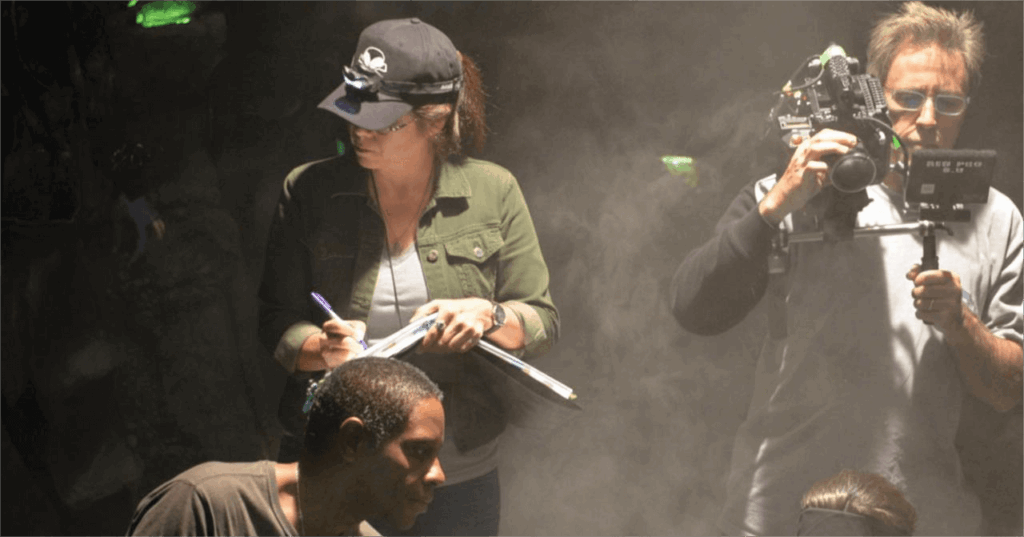
If a film feels smooth, logical, and consistent from scene to scene, you can thank the script supervisor.
They are the guardian of continuity. Their job is to make sure everything matches, emotionally, visually, and technically, across multiple takes, angles, and shooting days.
They track:
- Actor movements and blocking
- Props, wardrobe, and physical details
- Dialogue accuracy and improvisations
- Scene timing, takes, and coverage notes
Without a script supervisor, editors are left guessing, reshoots become expensive, and continuity errors slip into the final cut.
It’s a highly respected role, incredibly detail-oriented, and often one of the fastest entry points onto professional film and TV sets.
2. DIT (Digital Imaging Technician)
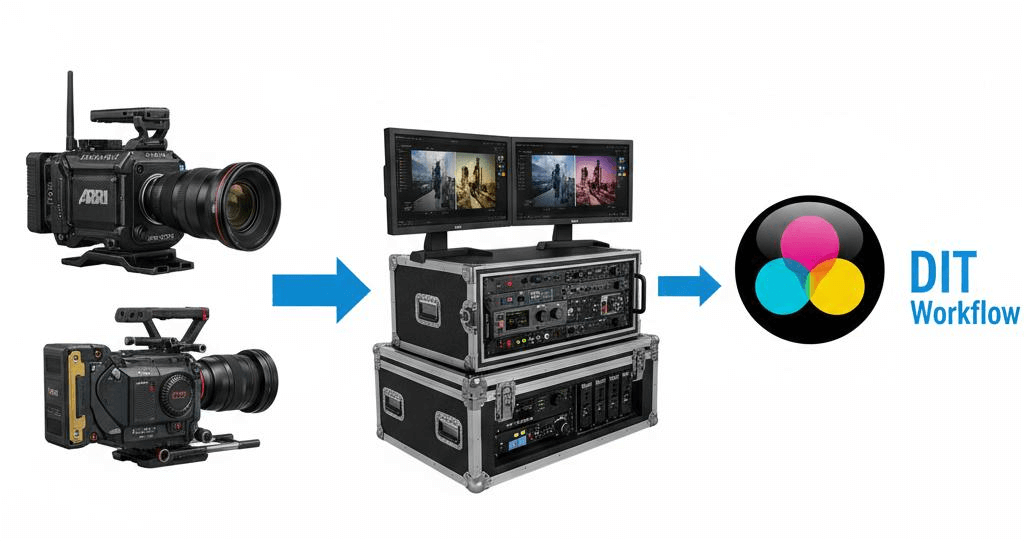
The Digital Imaging Technician sits at the crossroads of production and post-production.
They are responsible for protecting the image, literally.
On set, a DIT:
- Manages and backs up footage safely
- Monitors exposure, focus, and color accuracy
- Applies LUTs and helps maintain visual consistency
- Works closely with the cinematographer to preserve the intended “look.”
As filmmaking becomes increasingly digital and data-heavy, DITs are no longer optional on serious productions. Commercials, TV series, and high-end indie films rely on them heavily, and skilled DITs are consistently in demand.
3. Location Manager (The Fixer)

Every time you see a perfect location on screen, someone worked very hard to make that happen, and that someone is the location manager.
They don’t just find locations. They make them workable.
Their responsibilities include:
- Scouting and securing locations
- Handling permits and local authority approvals
- Negotiating fees with property owners
- Managing logistics, access, and community concerns
If you’re organized, persuasive, calm under pressure, and good with people, this role is incredibly valuable. When things go wrong on location, and they often do, the location manager is the one who fixes it.
4. Production Coordinator (The Real Engine of the Set)
If filmmaking were a business operation, the production coordinator would be the operations manager.
They keep everything moving.
They handle:
- Schedules and production timelines
- Call sheets and daily logistics
- Paperwork, bookings, and communication between departments
This role doesn’t get applause, but it gets things done. Many production managers, line producers, and executive producers begin their careers here.
It’s demanding, fast-paced, and powerful if you’re looking for a long-term career in production leadership.
5. Foley Artist (Yes, Footsteps Are Fake)

Movies sound real, but most of that “reality” is manufactured.
Foley artists recreate everyday sounds in post-production, including:
- Footsteps
- Clothing movement
- Door creaks, punches, drops, and impacts
That crunchy walk on gravel? Added later.
That dramatic punch? Also added later.
Foley is both artistic and technical, and it’s essential in film, TV, animation, and streaming content. If you love sound, rhythm, and storytelling through audio, this is a deeply creative and always-needed role.
6. Intimacy Coordinator
A decade ago, this role barely existed. Today, it’s becoming standard.
Intimacy coordinators ensure that intimate scenes are handled professionally, ethically, and safely.
They:
- Protect actor consent and boundaries
- Choreograph intimate scenes clearly
- Reduce legal, emotional, and ethical risks for productions
As industry standards evolve, intimacy coordinators are increasingly non-negotiable on professional sets.
This role blends performance knowledge, psychology, and production awareness, and it’s only growing.
7. Colorist (The Final Look Maker)

The colorist is the last storyteller before the audience sees the film.
They shape how a film feels.
Their work includes:
- Enhancing mood and emotional tone
- Correcting exposure and color inconsistencies
- Creating the cinematic polish audiences expect
In the age of streaming, where visual quality directly affects audience retention, great colorists are booked solid. It’s a highly technical role with strong creative influence and excellent long-term demand.
8. Film Marketing & Distribution Strategist
Here’s an uncomfortable truth: a great film with no marketing is invisible.
Marketing and distribution strategists decide whether a film actually reaches an audience.
They handle:
- Film festival positioning and submissions
- Trailers, posters, and audience targeting
- Streaming, sales, and distribution pitches
If you understand audiences, platforms, and storytelling from a business angle, this role can be more profitable and more stable than directing. Films don’t succeed on quality alone. They succeed on strategy.
9. Clearance Coordinator
Every logo, artwork, song, and location you see on screen carries legal risk.
Clearance coordinators make sure productions are legally protected.
They ensure:
- Rights are properly licensed
- Brands, artwork, and music are cleared
- Productions avoid lawsuits and takedowns
It’s a niche role, but once you’re experienced, you become incredibly valuable. No clearance, no release, simple as that.
10. Story Consultant / Script Doctor
Not every writer can fix their own script, and many producers know that.
Story consultants and script doctors are brought in to:
- Strengthen story structure
- Fix pacing, character arcs, and dialogue
- Prepare scripts for funding, pitching, or production
If you have strong storytelling instincts and analytical skills, this is a quiet but lucrative lane. You don’t need to be famous, just good. Very good.
So… Where Do You Fit In?
Here’s the big takeaway:
You don’t need to fight for the most obvious job to succeed in filmmaking.
The industry rewards:
- Specialists
- Problem solvers
- People who understand both creativity and logistics
Sometimes the smartest move isn’t being in front of the camera, but being indispensable behind it.
Conclusion
If you’re truly serious about building a career in film, the first thing you need to drop is the idea that success only lives in the most obvious job titles. The industry is far bigger and far more practical than what most people are taught to chase.
The real opportunities often sit in roles that aren’t glamorous, aren’t talked about, and aren’t overcrowded. That’s where consistent work, professional growth, and long-term careers are built.
So widen your lens.
- Explore these roles with intention.
- Develop skills that solve real problems on real productions.
- Build relationships where value matters more than visibility.
And if you’re looking for clear, practical filmmaking guides, honest career breakdowns, and industry insights designed to help you actually earn from film, take time to explore more content on this site.
The opportunities already exist.
Most people just never learn where to find them or how to position themselves for them