

Have you ever watched a film and felt that pull?
That moment that makes you pause and think, “I wish I could create something like that.”
Maybe you study scenes on repeat. Maybe you can’t stop noticing lighting, color, or movement. Or maybe you know you have the eye, but you’re still unsure of the path.
Becoming a cinematographer can feel overwhelming. People talk about expensive gear. Big breaks. Tough competition. It’s easy to feel stuck before you even start.
But remember this: behind every unforgettable film, whether it’s a dark noir or a massive action blockbuster, one person is shaping the visual experience. The Director of Photography.
The Cinematographer.
If your dream is to turn ideas into powerful images, you’re in the right place.
This guide will walk you through the steps, the real skills you need, and the industry insights that matter.
Let’s move you from inspired dreamer to confident, working cinematographer.
Understand the Role of a Cinematographer
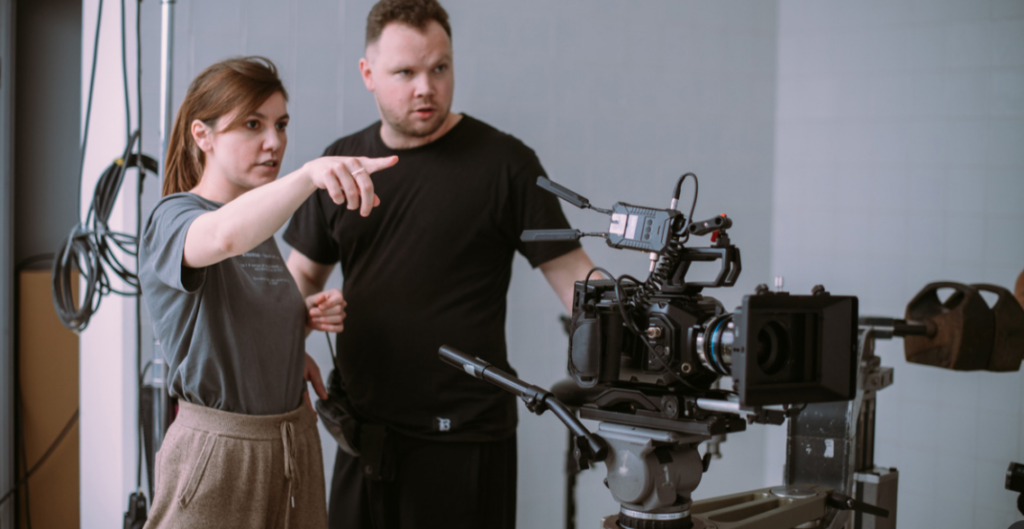
Before you step into the world of cinematography, you need to understand the heart of the job, and it goes far beyond pressing record.
A cinematographer, or Director of Photography (DP), is the person who shapes how a story feels on screen. They translate emotion into imagery, turning words on a script into frames that move people.
In real terms, this means you are the one who decides:
- How a scene should be framed
- How the camera should move to guide the viewer’s emotion
- What lighting setup brings out the right mood
- Which lenses and equipment best tell the story
- How the visual tone stays consistent from the first shot to the last
But there’s more. A cinematographer is also a leader. You collaborate closely with the director, interpret their vision, and then guide the camera and lighting crew to bring that vision to life.
You’re balancing creativity with precision, storytelling with technical expertise, and vision with teamwork.
So before you commit to this path, understand this: cinematography is a blend of artistry, problem-solving, collaboration, and deeply technical skill.
It’s challenging, but if you love visual storytelling, it’s one of the most fulfilling roles in filmmaking.
Why This Career Path is Crucial & Relevant
In the digital age, content is everywhere, but quality cinematography is what separates a forgettable clip from an enduring work of art.
- Visual Storytelling:
The Cinematographer is the primary translator of the script and the director’s vision into visual reality.
They are responsible for the mood, tone, and overall aesthetic that emotionally connect the audience to the story.
- Technological Evolution:
With the rapid advancement in digital cinema cameras (like ARRI, RED, Sony VENICE), lighting techniques, and virtual production (LED walls), the industry constantly needs skilled professionals who are not just artists but also technical experts.
- High Demand for Premium Content:
Streaming wars and the constant need for high-quality, differentiating content across platforms (Netflix, Amazon, HBO, feature films, high-end commercials) have increased the demand for experienced, visionary DOPs.
Step-by-Step Guide: How to Become a Professional Cinematographer
Becoming a professional cinematographer is about building your skillset, gaining real experience, and constantly growing your creative eye.
There’s no single perfect path, but the steps below reflect what working cinematographers, film schools, and industry veterans consistently recommend.
1) Build a Strong Foundation in Education and Skills
Every great cinematographer starts with the basics, learning how cameras work, how light behaves, and how shots tell a story.
If you can attend a film school or a cinematography program, it’s a solid starting point. You’ll learn fundamentals such as the 5 Cs (camera angles, continuity, cutting, close-ups, and composition), as well as hands-on camera and lighting techniques.
But film school isn’t the only route. Many successful DPs learned through:
- Online courses
- Workshops
- YouTube tutorials
- MasterClass sessions
- Mentorships
What matters most is developing your eye. Practice lighting different moods, recreating scenes from films you admire, and understanding how lenses and cameras affect emotion.
And don’t stress about expensive gear, your creativity matters far more than the price of your equipment.
2) Gain Practical Experience on Set
Film knowledge becomes powerful only when you apply it. Getting on set is where you learn how cinematography truly works.
Start anywhere you can:
- As a production assistant
- As a camera trainee or assistant
- Shooting short films with friends
- Volunteering for indie projects
- Filming music videos or passion projects
These early jobs teach you the rhythms of a set, the pressure of time, and the art of working with directors and crew.
Over time, you can move up to roles like 1st AC, camera operator, and eventually, DP.
Shadowing experienced cinematographers or finding a mentor can accelerate your growth. Small projects give you room to experiment; real sets teach you how to execute.
3) Develop Technical and Artistic Expertise
Cinematography is where art meets science. To stand out, you’ll need to sharpen both.
Keep practicing:
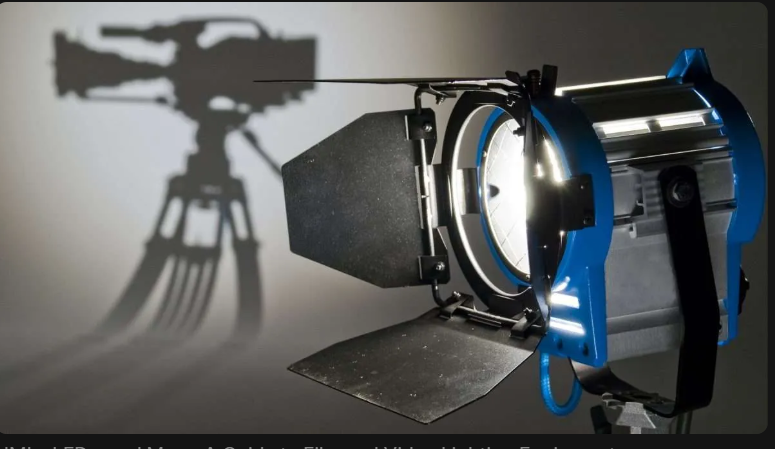
- Lighting with HMIs, LEDs, practicals, and natural light
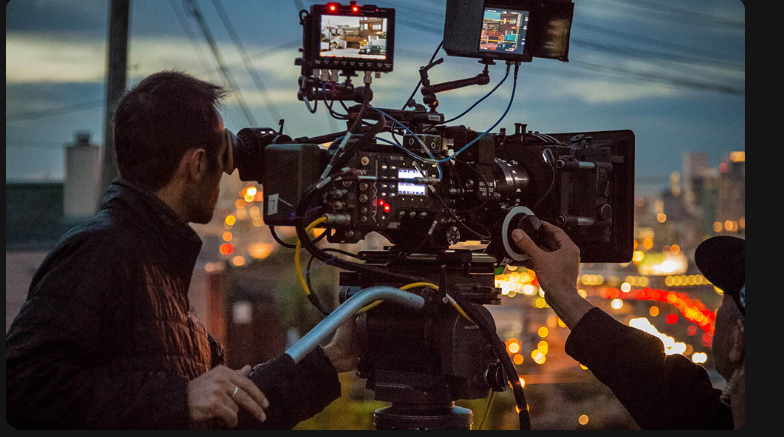
- Camera movement (dollies, handheld, gimbals, cranes)
- Color grading and understanding how footage is shaped in post
- Storytelling through composition
Watch films with intention. Ask yourself why certain shots make you feel a certain way. Study the work of cinematographers like Roger Deakins, Bradford Young, or Emmanuel Lubezki and explore how they use light and shadow to elevate emotion.
As you improve, create a strong showreel, a polished, 60–90-second visual portfolio that shows your range, style, and technical control. Start simple; build as you grow.
4) Network and Build Your Career
In filmmaking, talent opens the door, but relationships keep it open. The more people you work with, the more opportunities come your way.
Ways to build your network:
- Attend film festivals and industry workshops
- Join cinematography communities, both online and offline
- Collaborate on indie productions
- Connect with directors, producers, and fellow cinematographers
- Join professional bodies or guilds when you’re ready
Be prepared for long days, unpredictable schedules, and moments of self-doubt, but also for growth, collaboration, and creative breakthroughs.
Many working DPs say it takes 6–10 years to build a solid career. Progress may feel slow at first, but with consistent work and genuine relationships, you’ll start getting bigger and better projects.
Conclusion
The film industry doesn’t stop to ask who’s ready; it moves fast, and the people who succeed are the ones who step forward before they feel fully prepared. If you’re serious about becoming a professional cinematographer, the best time to begin is right now.
Don’t have high-end gear yet? That’s not a barrier. Pick up whatever camera you have, your phone, a basic DSLR, or anything else, and create something original.
Shoot a small short film, a character portrait, or even a simple visual story. Focus on what truly matters at the start: clean, thoughtful lighting and strong, intentional composition.
Feeling disconnected from the industry? Start small. Introduce yourself to local film students, indie filmmakers, or small production teams. Offer to help on set, as an assistant, a grip, or a lighting hand. Every set you step on teaches you something new and puts you in the room with people who can open doors.
Your journey as a cinematographer starts with one brave step and one powerful frame. Start creating, learning and building the reel that will define your voice.
And if you want more guides, opportunities, and resources to sharpen your filmmaking craft, visit iwaythrills.com and take the next step in your creative future.