

Ever watched a film that looked good, but somehow didn’t move you?
The shots were clean. The camera was sharp. The lighting was technically correct. Yet something felt missing. That uneasy gap between a film that’s merely well-shot and one that completely pulls you in is a frustration many filmmakers quietly struggle with.
Ever wondered what truly separates a good-looking film from a breathtaking cinematic masterpiece?
Here’s the hard truth: it’s rarely about having a fancy camera or the latest gear. It’s about understanding cinematography as an art, not just a set of rules. Film school gives you the fundamentals, exposure, lenses, lighting setups, but once you step onto real sets, you quickly realize there’s a whole layer of practical, story-driven techniques no one really talks about.
The kind you only learn after mistakes, rushed shoots, and problem-solving under pressure.
That’s exactly what this guide is about. The unspoken cinematography lessons. The real-world techniques. The subtle decisions that improve your visuals from “nice” to unforgettable, and transform how your audience feels every frame.
Why Cinematography Techniques Matter More Than You Think
Everyone is making videos now.
From TikToks and Instagram Reels to YouTube films and Netflix-level productions, content is everywhere. And in that noise, “good enough” visuals don’t cut it anymore. Great cinematography isn’t just a nice extra; it’s what makes someone stop scrolling, lean in, and feel something.
Cinematography is what turns a simple scene into an emotional experience. It’s how tension builds before a word is spoken. It’s how we fall in love with characters, feel their isolation, or sense danger coming. You can have a solid script, but without strong visual storytelling, the impact gets lost.
Film school teaches you the basics, framing, exposure, and camera settings. That foundation matters. But it’s the practical, often unspoken techniques that separate work that feels flat from work that feels cinematic. Those small decisions are the difference between “this looks okay” and “wow, this feels like a movie.”
And this isn’t just for big-budget films. Whether you’re shooting an indie short, a YouTube video, or a social media reel, strong cinematography instantly raises the quality of your work. It makes you look more professional, more intentional, and yes, more hireable.
Especially now, when almost everyone has access to a decent camera in their pocket, how you shoot matters more than what you shoot with.
Mastering these techniques gives you an edge in an increasingly crowded space and helps your work stand out for the right reasons.
Techniques and Tips They Don’t Teach in Class
Alright, now we’re getting into the real stuff.
This is the kind of advice you usually pick up on set, after something goes wrong, time is running out, and someone says, “Let’s just make it work.” No film-school jargon. No theory overload. Just practical, real-world cinematography techniques you can actually use on your next shoot.
Think of this as a conversation over coffee with someone who’s made mistakes, fixed them, and learned what truly matters.
1. Use Hidden Lighting Tricks to Create Mood (Not Just Brightness)
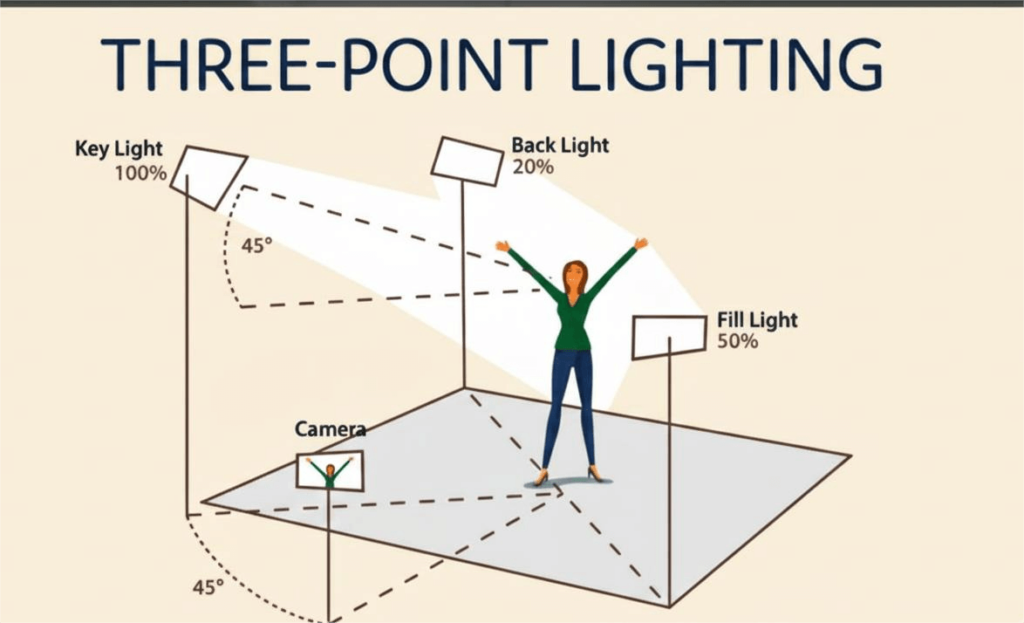
Film school drills three-point lighting into your head, and yes, it’s important. But real-world cinematography goes beyond textbook setups.
One of the biggest secrets? Use practical lights already in the scene. Lamps, windows, candles, TV screens, and phone light, these instantly make a shot feel natural and believable.
On low-budget shoots, cinematographers get creative. Bouncing light off a white wall or bedsheet gives you soft diffusion without extra gear. Blocking light with black fabric adds contrast and mood. You’re not just lighting faces, you’re shaping emotion.
If the light feels like it belongs in the world of the story, you’re doing it right.
2. Bend (and Break) the Rule of Thirds on Purpose
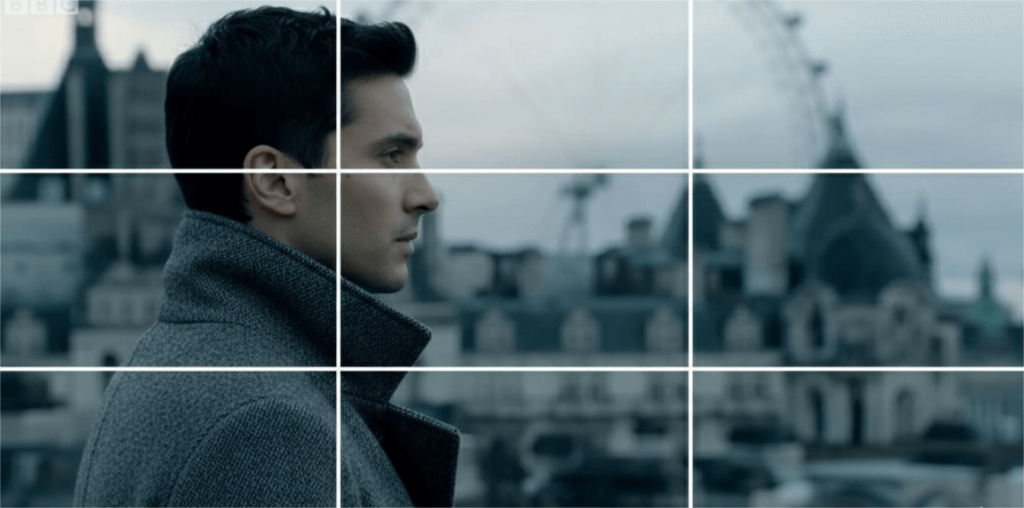
You already know the rule of thirds. Everyone does.
What film school doesn’t emphasize enough is when to ignore it.
Centering a character can feel uncomfortable or intense. Pushing them to the edge of the frame can suggest isolation, fear, or imbalance. These choices work especially well in dramas and thrillers, where emotion matters more than “pretty” frames.
The keyword here is intentional. Don’t break rules randomly. Break them because the story needs it.
3. Make Camera Movement Serve Emotion, Not Ego
Just because your camera can move doesn’t mean it should.
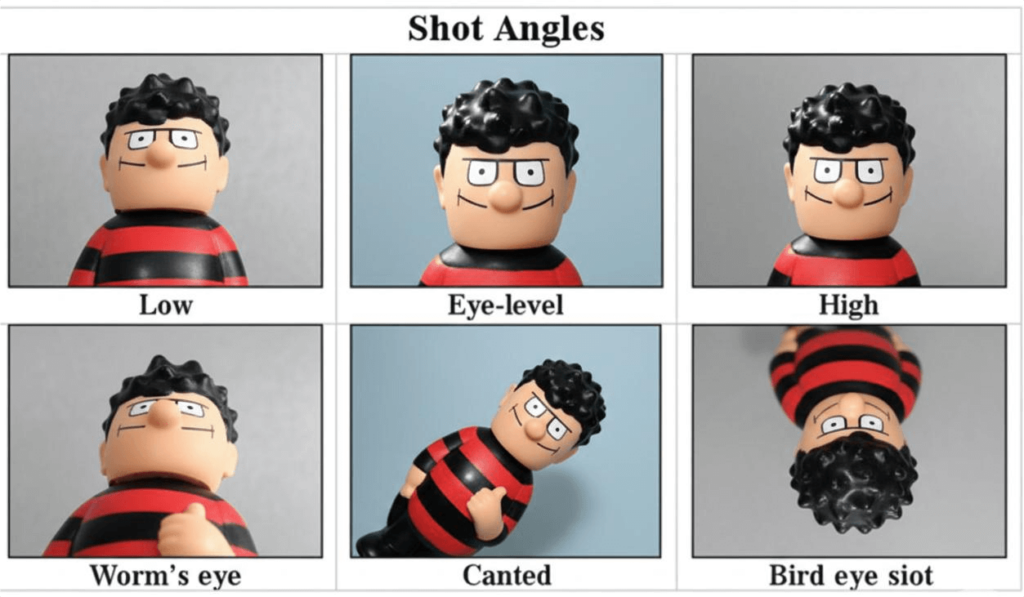
Real cinematography uses motivated movement. A slow push-in during an emotional reveal. A handheld shot to create tension or chaos. A locked-off frame to let a moment breathe.
And here’s a fun secret: you don’t need expensive gear. Skateboards make great DIY dollies. Wheelchairs work too. Even a slow handheld sway can feel cinematic if it’s controlled.
If the movement reflects what the character is feeling, the audience feels it too.
4. Think in Layers, Not Just Subjects
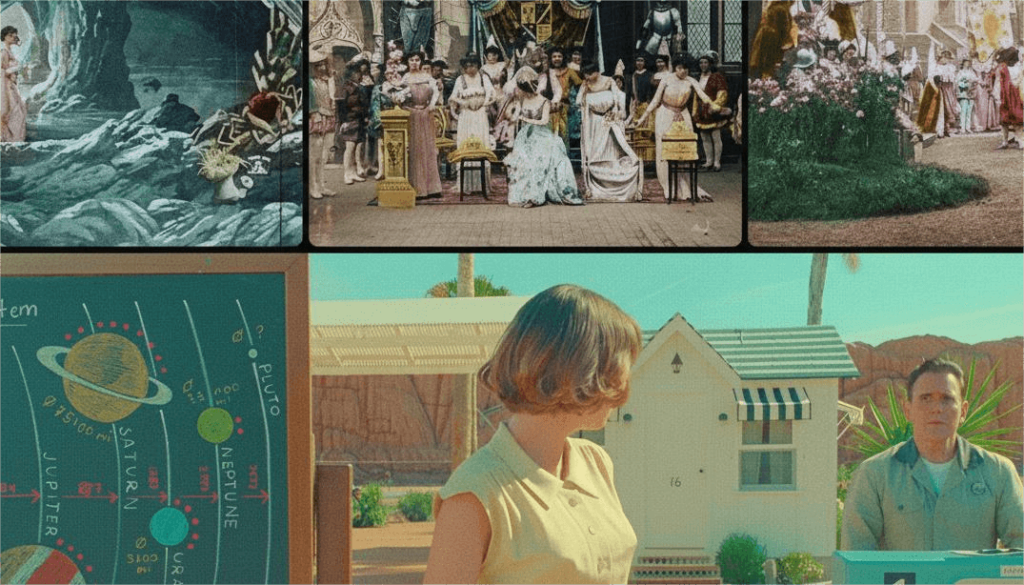
Film school focuses a lot on the subject, but great shots have foreground, midground, and background working together.
Shoot through door frames, windows, plants, or objects. Let something blur in the foreground while your character moves in the background. These layers add depth and make your shots feel intentional and cinematic.
Flat images usually come from flat thinking. Start asking, “What else can live in this frame?”
5. Color Is Emotional—Use It That Way
Color grading isn’t just about fixing mistakes. It’s about storytelling.
Cool tones can feel lonely or distant. Warm tones feel safe, nostalgic, or intimate. Slightly desaturated colors can make a scene feel heavy or serious.
One underrated trick is split-toning, treating shadows and highlights differently. Cool shadows with warm highlights can subtly add depth without screaming “color grade.”
Always test your grade on real footage. What looks good on one shot may fall apart on another.
6. Control Light by Removing It
This is a big one; they rarely stress in class. Sometimes, the best move is taking light away.
Shadows create drama. Contrast guides attention. Using negative fill (basically blocking light with black fabric or boards) can instantly make your image look more cinematic.
Professional-looking shots often come from what you don’t light.
7. Practical Effects Beat Digital More Often Than You Think
CGI has its place, but practical effects still win in realism.
Real smoke, real rain, real reflections, real textures. Even simple things like spraying water on a window or adding haze to a room can improve a shot instantly.
Actors also perform better when they can react to something real. And your footage usually looks better straight out of the camera.
Sometimes the old-school way is the smarter way.

8. Simpler Shots Usually Hit Harder
Early on, we all try to do too much: complex camera moves, fancy lighting, busy frames.
With experience, you learn that simplicity is a skill.
A clean frame. One strong light source. One clear emotion. If a shot works with less, it’s stronger, not weaker.
Cinematography isn’t about showing off. It’s about clarity.
So, What’s the Real Lesson?
Cinematography isn’t about following rules. It’s about making choices that serve the story.
Film school gives you the foundation. Real-world cinematography demands:
- Taste
- Judgment
- Collaboration
- Problem-solving
The camera is not there to impress. It’s there to communicate.
Once you understand that, your work changes completely.
Conclusion
If you want to grow as a cinematographer, stop chasing gear and start studying decisions.
Watch films and ask why shots work. Practice lighting with less equipment. Shoot scenes for emotion, not perfection. And most importantly, get on real sets. That’s where the real education happens.
If you found this useful, explore more filmmaking and cinematography guides on the site, or share this with a filmmaker who’s still wondering why their shots feel “off.”
Your camera is already powerful. Now make your choices intentional.